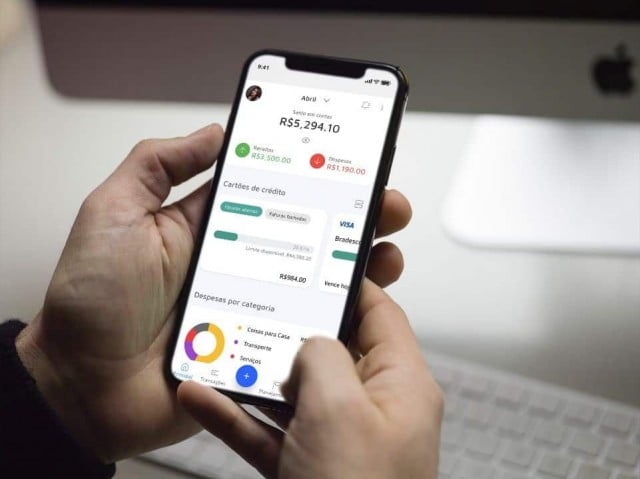
The main feature of the BTG+ credit card is its flexibility: instead of a fixed package of benefits, the idea is to let the customer choose, within the app, which benefits they want to keep active. It's a different model from the traditional one, where you accept what comes with it — and it's worth understanding how it works before requesting yours.
The cards are issued by BTG+, the digital retail arm of the BTG Pactual group, and operate under the Mastercard brand, accepted in Brazil and abroad. BTG is the card issuer; the brand is a separate company. A warning before proceeding: this text is for informational purposes only, not financial advice, and the commercial terms of any card change frequently. The valid prices are always those that appear on the official website and in the bank's app at the time you apply.
BTG Pactual credit card: learn more
You may know BTG more from the world of investments than from day-to-day banking. The group was founded in 1983 and presents itself as the largest investment bank in Latin America, with a strong presence in wealth management, brokerage, and fixed and variable income products.
In recent years, this profile has changed: with BTG+, the bank began offering digital accounts, cards, and day-to-day banking services to the general public, not just large investors. In practice, this means that the account and card coexist in the same app where investments are managed—those who already invest with the bank find everything in one place.
This integration is precisely the strong point of the proposal. Before deciding, however, it's worth carefully reviewing the services and comparing them to what you already use today: account, interest on idle balance, fees, customer service and, of course, the card.
Is the BTG+ card worth it?
The honest answer is: it depends on your profile, and no one can answer that for you. The card tends to make more sense for those who are already (or intend to be) investment clients of the bank, because that's where the integration between account, investments, and card really becomes apparent.
BTG+ offers more than one card version, with different benefit packages depending on the customer's relationship with the bank. The list of available versions, what each includes, and the requirements for each change over time—so it doesn't make sense to memorize names or values found on blogs, including this one. Check the official card page and the app itself, where the updated conditions are linked to your CPF (Brazilian tax identification number).
A credit card can be excellent for one person and uninteresting for another. If you travel little, a package focused on VIP lounges is worthless; if you never accumulate enough points to redeem, a generous points program won't change your life either. Calculate your actual monthly spending, not your imagined spending.
How to apply for the BTG+ card
The journey begins with the account. After opening a digital account in the BTG+ app, the card is requested within the platform itself, in just a few steps:
- Download the BTG+ app from your mobile phone's official app store and open an account using your CPF (Brazilian tax identification number) and a photo ID.
- Complete the registration with the personal and financial information requested during registration.
- Within the app, find the cards section and request a credit card.
- Please wait for the analysis. Approval, credit limit granted, and card version released depend on the bank's evaluation and are not automatic.
- Once your order is approved, track the shipment through the app and unlock the card there when it arrives.
It's important to remember that debit cards and credit cards follow different rules: credit is subject to analysis, can be denied, and may be reassessed later, depending on your usage history and relationship with the bank.
Since the card is a Mastercard, it works for purchases abroad and on international websites. Purchases outside the country involve currency conversion, IOF (Brazilian tax on financial transactions), and the international withdrawal rules defined by the issuer — check the current rates on the BTG website before traveling, as these values are updated periodically.
How does the BTG+ card annual fee work?
BTG+ offers both no-annual-fee and fee-charged credit card versions, depending on the chosen benefits package. There's also the possibility of reducing or eliminating the fee based on monthly card spending or the amount invested in the bank.
We intentionally don't publish values here: they change over time, vary by card version, and may differ from one customer to another. Before requesting yours, check the current fee schedule in the app or on the official BTG website, and confirm the information with the bank itself through its customer service channels. If any website presents an exact annual fee amount without indicating the date and source, consider it outdated.
What to check before applying for any card.
Regardless of the bank chosen, there is a short list of items that will help avoid surprises on the first bill:
- Annual fees and how to eliminate them. See if the exemption depends on minimum spending, investment, or keeping the account active — and what happens if you fail to meet the condition.
- Interest rates on revolving credit and installment payments. Ask for the CET (Total Effective Cost). This number shows the real cost of delaying or paying your bill in installments.
- Closing and due dates. Choosing these dates carefully changes the timeframe you have to pay for each purchase.
- Services contracted together. Insurance and subscriptions offered at the time of purchase are usually optional; confirm that they are active and how much they cost.
- Benefits you actually use. Cashback, points, VIP lounge access, and travel insurance are only worthwhile if they become part of your routine.
- How to cancel. Know from the start what the channel and deadline are for closing the card without leaving any outstanding balance.
For whom does the BTG+ card make sense?
In summary: the BTG+ card tends to appeal to those who like to manage banking and investments in the same app and want to build their own benefits package instead of accepting a pre-made bundle. For those looking only for a card with no annual fee and who do not intend to make investments, the advantage is smaller, and other options on the market may fulfill the same role.
Whatever your choice, compare at least three offers before deciding and confirm all figures directly with the bank. To reiterate: this content is for informational purposes only, it does not replace consulting the contract nor does it constitute credit or investment advice. Did you find any outdated information on this page? Write to contato@moblander.com.
What to do, in order.
- Start by logging one week. Before putting together a budget, write everything down for seven days. The diagnosis often reveals more about it than any spreadsheet can provide.
- List the active subscriptions. Check your bills from the last three months. A forgotten subscription is the easiest expense to cut.
- Check your registration with the credit bureaus. The consultation is free and reveals debts you may not even remember, as well as correcting incorrect information.
- Separate fixed from variable. Rent and subscriptions on one side, markets and leisure on the other. Only the latter group responds to quick adjustments.
Where most people slip
- Paying for a finance app subscription that costs more than it saves.
- Entering your bank password within a third-party application — no legitimate tool asks for that.
- Abandoning the registration in the second week; without consistency, the app is useless.
- Accepting a loan offered within the app without comparing the total cost.
The alternative that is already included in the system
The bank's own app usually provides expense categorization, statements by category, and credit card limits all in one place—without requiring you to share your data with anyone else. For those with a primary account, this is often sufficient.